One Big Launch Is a Fragile Bet: The Case for a Year-Round Campaign Orchard
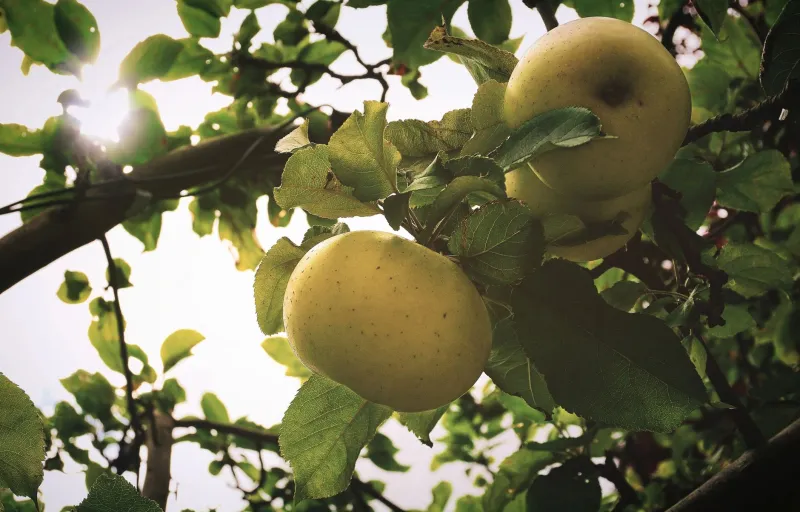
Every January, plenty of UK SMEs make the same quiet bet: this year, one big campaign will do the heavy lifting. A new website, a hero film, a spring launch, a Christmas push. It feels brave. It is often just brittle.
A single apple can look lovely in a bowl. But a brand needs an orchard: connected trees, different seasons, steady fruit. The annual big reveal may make a splash, but it concentrates risk, budget and expectation into a few weeks. If the timing misses, the budget burns and the team is exhausted. Meanwhile, the audience has already moved on.
The problem with the annual big reveal
One launch is a fragile bet because it assumes everything will line up perfectly: the creative will land, the media will perform, the sales team will be ready and the market will be in the mood. In reality, UK buying cycles are messy. School holidays, the tax year, summer slowdowns, Christmas trading and even the weather can shift response. A single burst gives you few chances to learn and almost no cover if something goes wrong.
It also makes measurement unfair. If you judge an entire year by one campaign, you are weighing one apple and declaring the orchard a failure. Some ideas need repetition. Some audiences need three or four touches before they notice. A brand is built in the gaps between campaigns, not only in the week a launch goes live.
Think in seasons, not stunts
The alternative is a campaign orchard. One core brand idea, several connected campaigns, each with a clear job in a different season. You are not abandoning ambition. You are spreading it across the year so it has a chance to grow.
A simple framework for UK SMEs looks like this. In the first quarter, plant roots: sharpen the website, refresh the Google Business Profile, publish the case studies and make the brand easy to find. In the second quarter, create blossom: use a seasonal moment, a local event or a new financial year to reach a wider audience. In the third quarter, show fruit: prove the promise with demonstrations, testimonials and customer stories. In the fourth quarter, harvest: convert interest into sales, bookings, renewals or festive orders.
Each quarter gets one core idea, one primary audience and one main channel. That does not mean ignoring other channels. It means giving the campaign a centre of gravity. Smaller campaigns can also share assets, which keeps production costs down and makes the whole year feel more coherent.
Pace the budget like a grower
The biggest mistake is spending the whole budget on the launch and leaving nothing for the follow-through. A more resilient split for many SMEs is roughly 50 percent always-on activity, 30 percent seasonal bursts and 20 percent tests or opportunities. For smaller budgets, 60/30/10 can work just as well. The exact numbers matter less than the principle: protect a base layer of visibility so the brand does not disappear between campaigns.
Always-on activity might be search, local SEO, email, social proof or a modest LinkedIn schedule. Seasonal bursts can be bigger and bolder. The test budget is there for the unexpected: a partnership, a local sponsorship, a new channel or a smart idea that turns up in April. If one campaign underperforms, it does not take the year with it.
Measure the orchard, not each apple
Judging every campaign in isolation is tempting because it is simple. It is also misleading. A campaign that looks quiet on last-click sales may be doing the work of introducing the brand to people who buy three months later. A campaign with strong clicks may be attracting bargain hunters who never return.
Set a 12-month dashboard instead of a one-campaign scorecard. Track branded search, direct traffic, repeat visits, lead quality, sales velocity and customer lifetime value. Add a simple brand measure if you can, such as prompted awareness or share of search. Use UTM codes and offer codes, but do not let last-click reporting tell the whole story.
Then review quarterly. Ask whether the brand is easier to remember, easier to find and easier to buy than it was three months ago. Look for cumulative effects: are sales calls mentioning the campaign? Are more people arriving with the right questions? Is the same audience coming back? That is the orchard producing fruit, even if no single apple looks spectacular.
A calendar you can actually run
Pick four moments, not twelve. Build one core creative platform and make variations for each season. A Bristol B2B software firm might use Q1 for a practical guide, Q2 for a webinar, Q3 for a customer story and Q4 for renewals. A Leeds bakery might use Q1 for local search, Q2 for a summer market, Q3 for back-to-school lunches and Q4 for festive pre-orders. The details will differ, but the shape is the same: connected ideas, clear jobs, steady presence.
Consistency beats intensity. A brand that turns up with a useful idea every few weeks will usually outlast a brand that shouts once and goes quiet. The orchard mindset is not about doing more for the sake of it. It is about doing enough, often enough, to become familiar.
A single apple is a snack. An orchard is a business. For UK SMEs planning 2026, the sturdier bet is not one heroic launch. It is a season of campaign ideas that reinforce each other, share a clear brand thought and give you room to learn as you grow.